Crushers Cone Crushers // McCloskey C3C Cone Crusher

McCloskey C3C Cone Crusher

Details
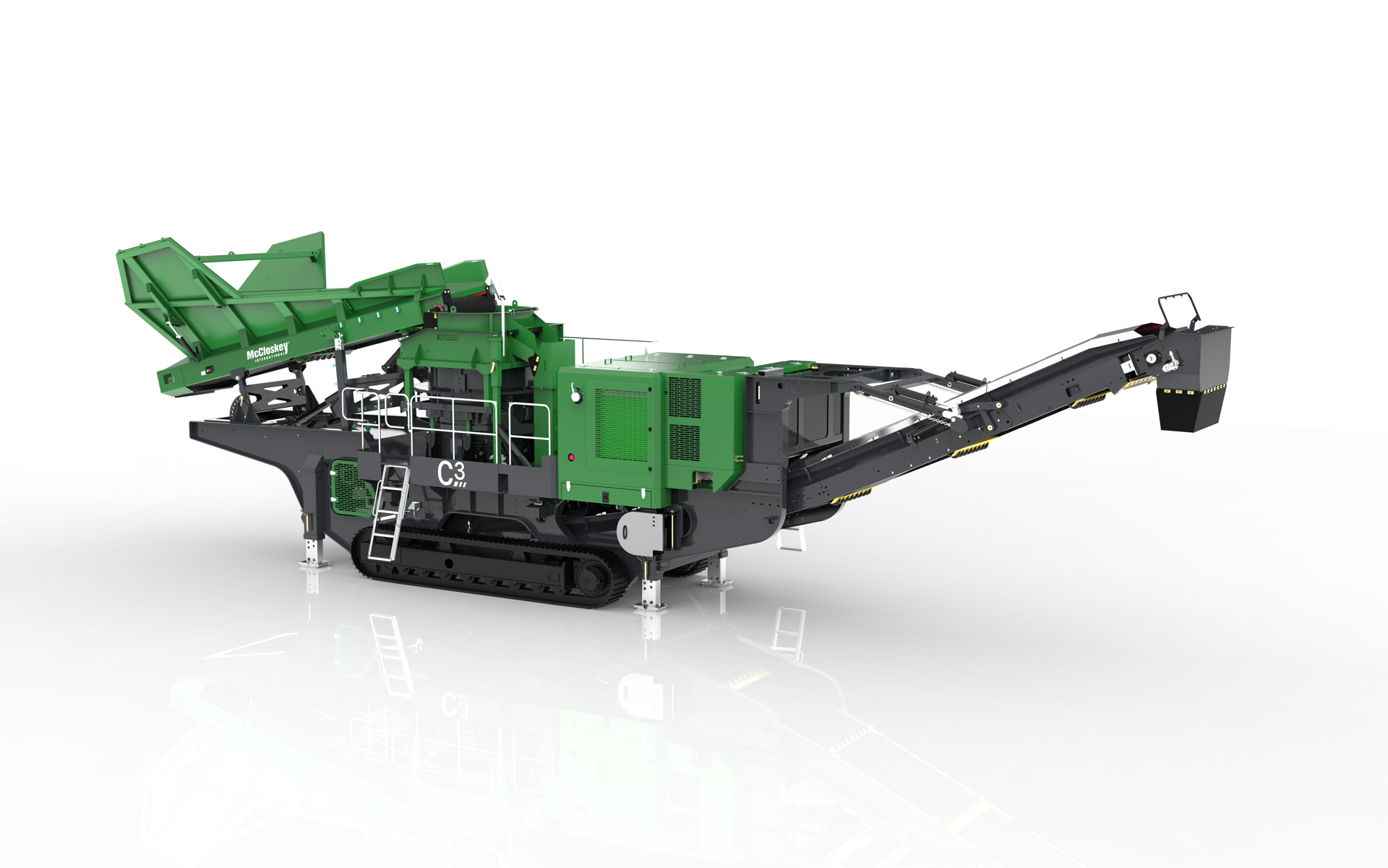
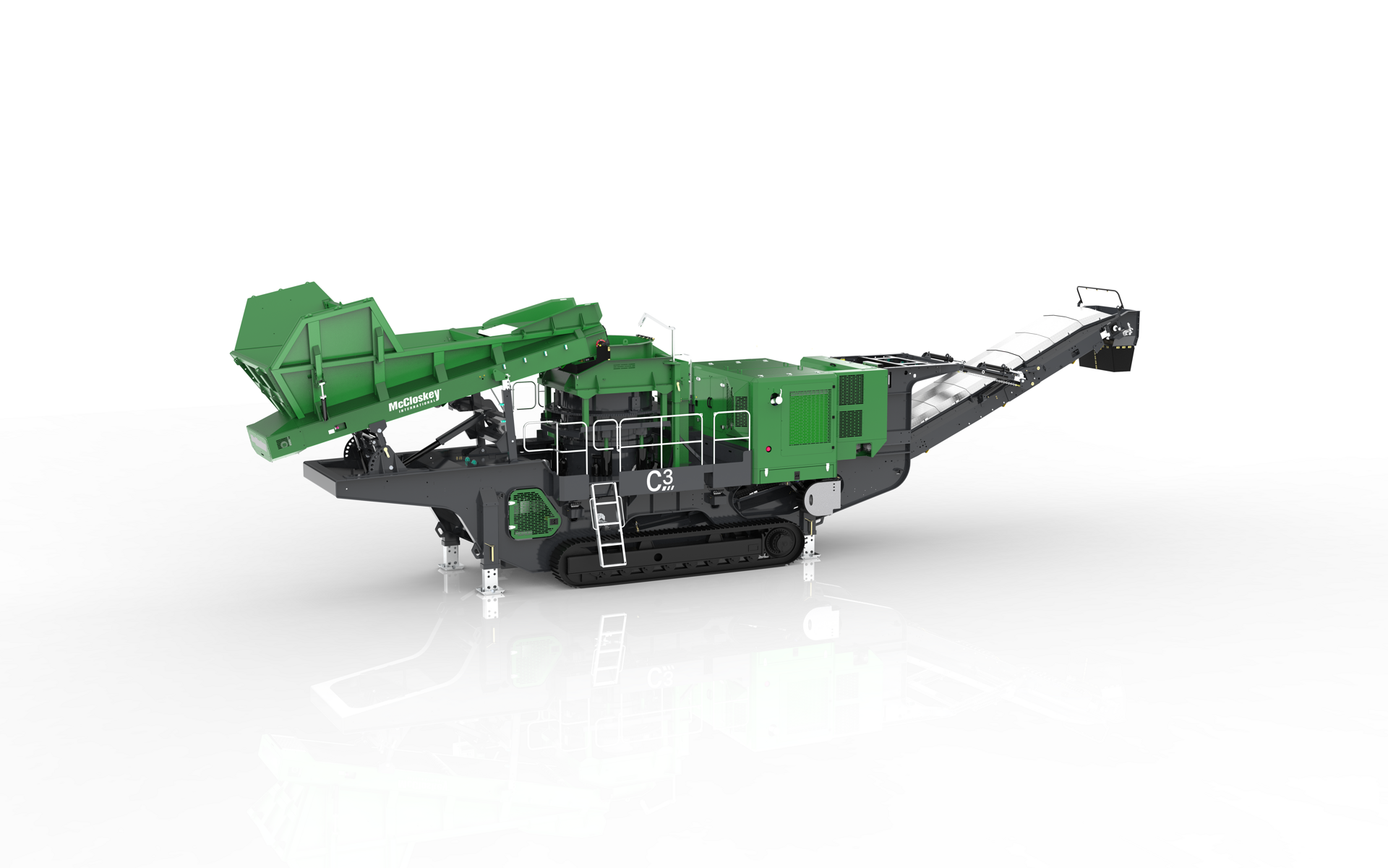
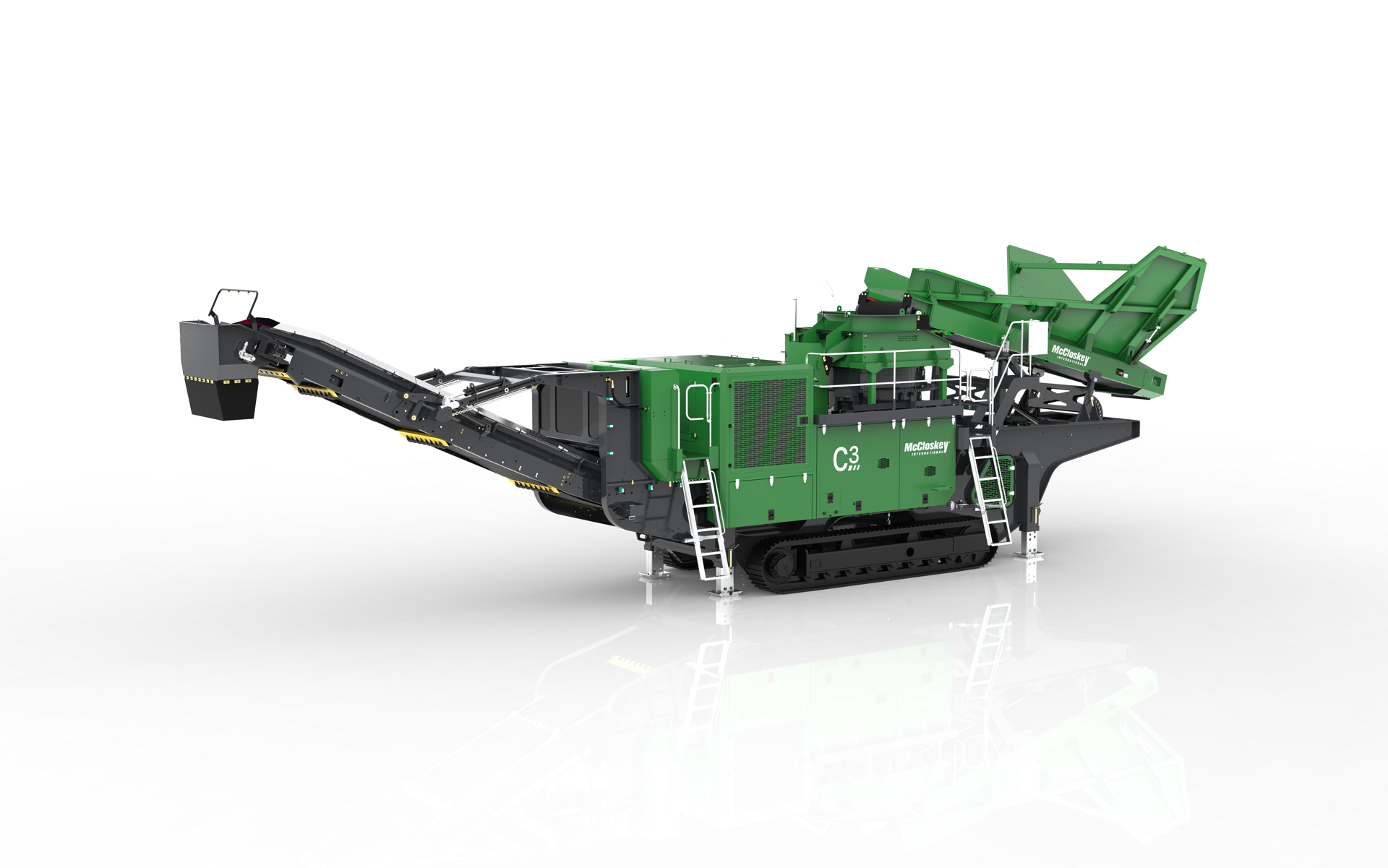
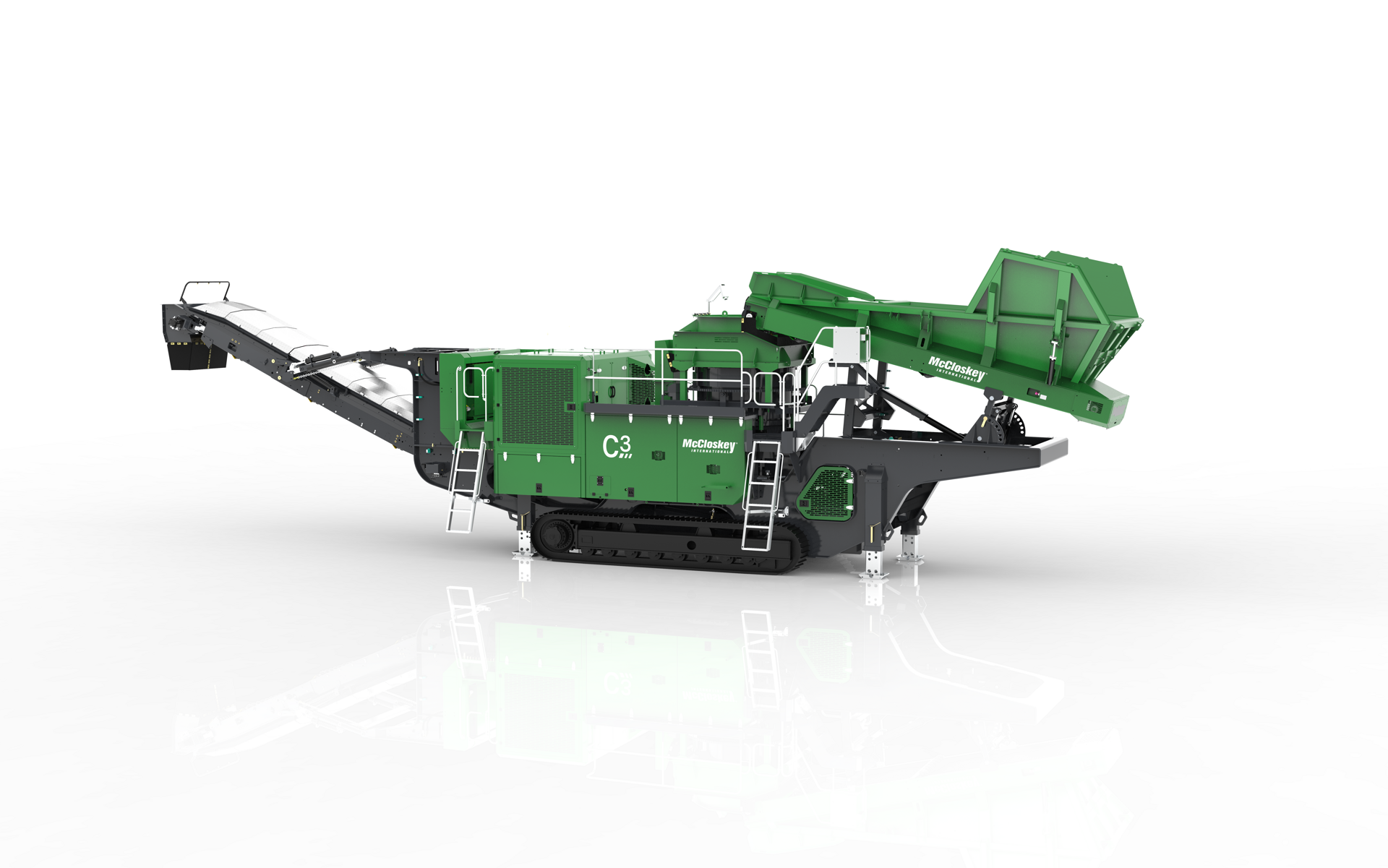
Offering high material capacity and throughput, large stockpile capacity, and customer focused features; the C3 Cone Crusher puts McCloskey to the fore of mobile crushing plants and pushes the boundaries of industry performance. The Metso MC300  cone crusher provides a high degree of control over the final product, making it the ideal portable secondary crusher.

Applications and Performance

The C3 is ideal for:

  • Secondary crushing of hard rock and aggregates

  • Concrete and asphalt recycling

  • High-volume road building and infrastructure projects

  • Applications needing high shape consistency and mobility

With its exceptional material throughput, reliability, and user-focused design, the C3 stands out as a leading portable secondary cone crusher.

Why Choose the McCloskey C3?

The McCloskey C3 Cone Crusher combines power, control, and versatility in a heavy-duty package. Whether you're scaling up production or need a dependable mobile secondary crusher, the C3 delivers precision performance and operational efficiency where it counts.

CAPACITY Engine C13 (510hp)
CAPACITY Weight 51,400kg
CAPACITY Crusher Drive Direct Drive
CAPACITY CSS Adjustment Hydraulic
CAPACITY Production Rate* up to 350TPH
download full tech spec

MACHINE BENEFITS

Load Sensing Pumps
E-SERIES MACHINES
WIRELESS REMOTE CONTROL
KEESTRACK-ER REMOTE MONITORING
Load Sensing Pumps
Load Sensing Pumps

A primary crusher with superior shaping ability, the R5 Impact Crusher fills a variety of roles using just one piece of equipment. The R5’s built in pre-screen’s, post-screens and recirculation conveyor ensures maximum product quality and throughput.

E-SERIES MACHINES
E-SERIES MACHINES

A primary crusher with superior shaping ability, the R5 Impact Crusher fills a variety of roles using just one piece of equipment. The R5’s built in pre-screen’s, post-screens and recirculation conveyor ensures maximum product quality and throughput.

WIRELESS REMOTE CONTROL

A primary crusher with superior shaping ability, the R5 Impact Crusher fills a variety of roles using just one piece of equipment. The R5’s built in pre-screen’s, post-screens and recirculation conveyor ensures maximum product quality and throughput.

KEESTRACK-ER REMOTE MONITORING

A primary crusher with superior shaping ability, the R5 Impact Crusher fills a variety of roles using just one piece of equipment. The R5’s built in pre-screen’s, post-screens and recirculation conveyor ensures maximum product quality and throughput.

// FAQs

frequently asked questions

Do I need a steel Apron feeder or a belt feeder on my scalping screen?

In New Zealand, steel apron feeders are often seen as the best option — but that isn’t always the case. Apron feeders perform best in heavy-duty applications involving large, sharp, abrasive quarry face rock and high impact loading. However, for applications such as river gravel, sand, topsoil, compost, recycled material, and feed sizes under 200mm, a belt feeder with a scalping screen is often the better solution.

Is a Jaw/Cone or a closed circuit impactor better?

There are a lot of variables in this decision. Are you a contractor moving site to site, or a fixed quarry? What product makes up most of your revenue? Could you run a Jaw/Cone setup 90% of the time and hire an impactor for the occasional contract or seasonal demand? What’s your feed size, fines content, and required throughput? A lot of New Zealand quarries have tunnel vision for impact crushers because that’s what everyone else runs. But every quarry is different. Don’t just take someone else’s word for it — if you get the opportunity, trial a cone crusher and compare the results yourself. Where a cone may not suit one operation, it can be perfect for another. You also need to think long term. Initial capital cost may be higher, but blow bars aren’t cheap. There’s a reason most major quarries in New Zealand operate with a Jaw/Cone setup.

Do i need a stacker for my operation?

In short — yes, you do need one. You may not realise it yet because you’ve never run one before. If you have the room for a stacker, our advice is simple: buy or hire one. You’ll thank yourself later. One of the most common comments we hear after someone buys a stacker is: “I should have done this years ago.” As the old saying goes, it’s the cheapest loader you’ll ever buy. Yes, you still need a loader to load trucks, but the reduction in machine hours, diesel consumption, and wear on your loader can be massive. It also takes a huge amount of pressure off the loader operator and improves overall site efficiency. The main downside with stackers — especially on larger material — is segregation. However, there are ways to minimise and manage this depending on your application and stockpile setup. If you have any questions, talk to the Rokbro team.